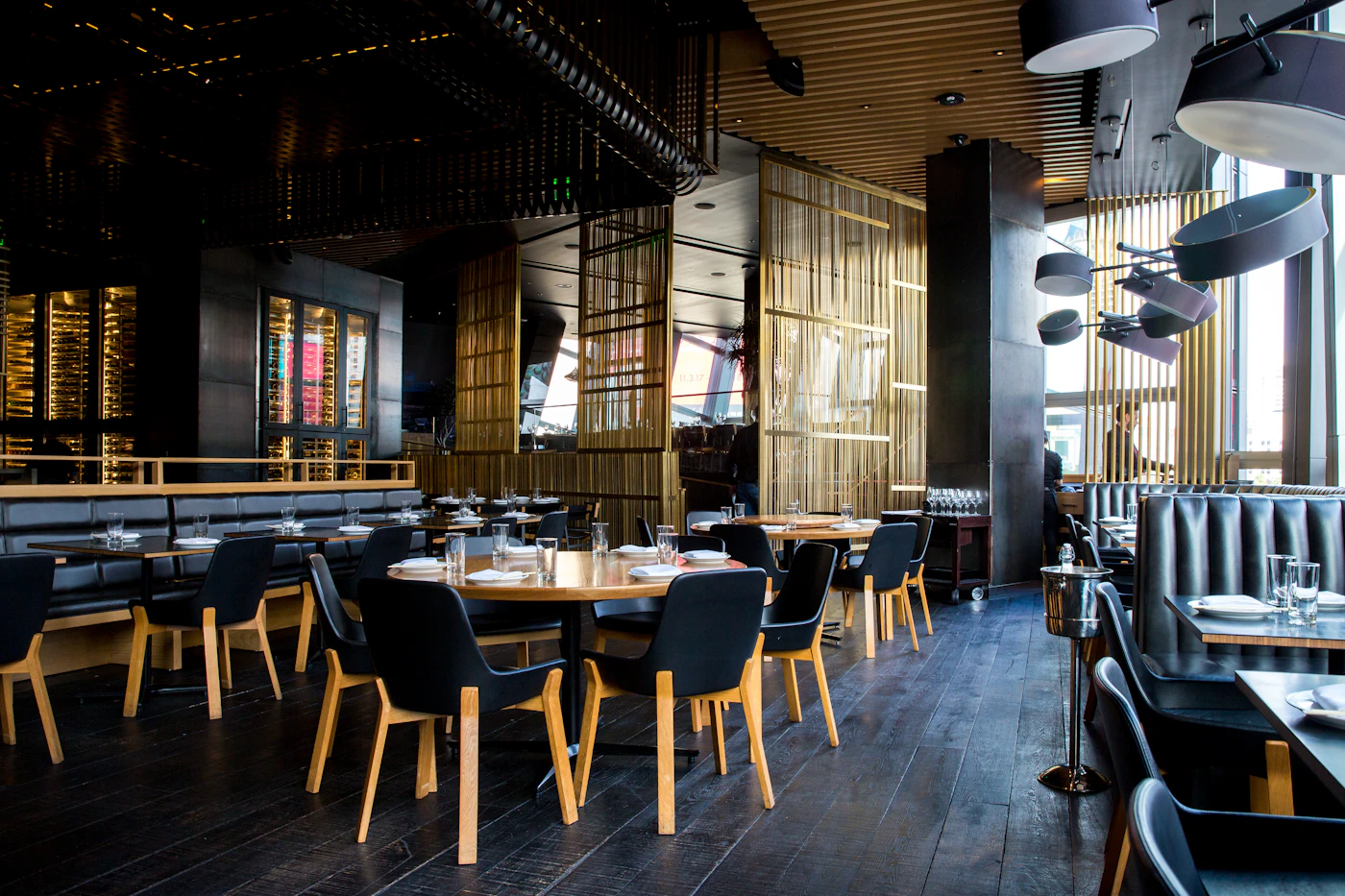
Reading a wet Wednesday in a Somerset dining room
Rain on the A38 does not cut covers evenly. It cuts the 12:30 sitting first, then the early evening two-tops, while the regulars who walk from the village still arrive.
On a Wednesday in late winter the booking sheet can look respectable at 10:00 and still leave the pass quiet at 13:15. The mistake is to treat rainfall as a single lever. In Cross and the villages around the Mendips, a morning of standing water on the A38 tends to cancel the lunch visitors who were driving from Weston or Bristol. The evening regulars, who already know which lane floods, keep their table.
When we write a kitchen demand briefing we split the day into sittings the house actually runs, not into a tidy lunch-and-dinner pair copied from a chain. A wet Wednesday often keeps 70 percent of the booked evening covers and loses the unbooked lunch walk-ins. If the chef has already prepped for a full lunch, the waste shows up in the garnish fridge on Thursday, not in the till on Wednesday night.
The practical move is dull and specific. Keep a four-line weather note beside the diary: standing water on the main road, school half-term, a funeral in the village church, a match at the local club. None of those belong in a generic chart. They belong on the wall calendar next to the expected covers for that sitting.
If your till already stores covers by hour, send that. If it only stores a daily total, we still want the booking sheet photographs. The gap between booked and walked is where a wet Wednesday hides.