How we cluster whale behaviour
Our methodology ties together address linkage, transfer timing, and liquidity touchpoints — then distils findings into briefings your desk can act on.
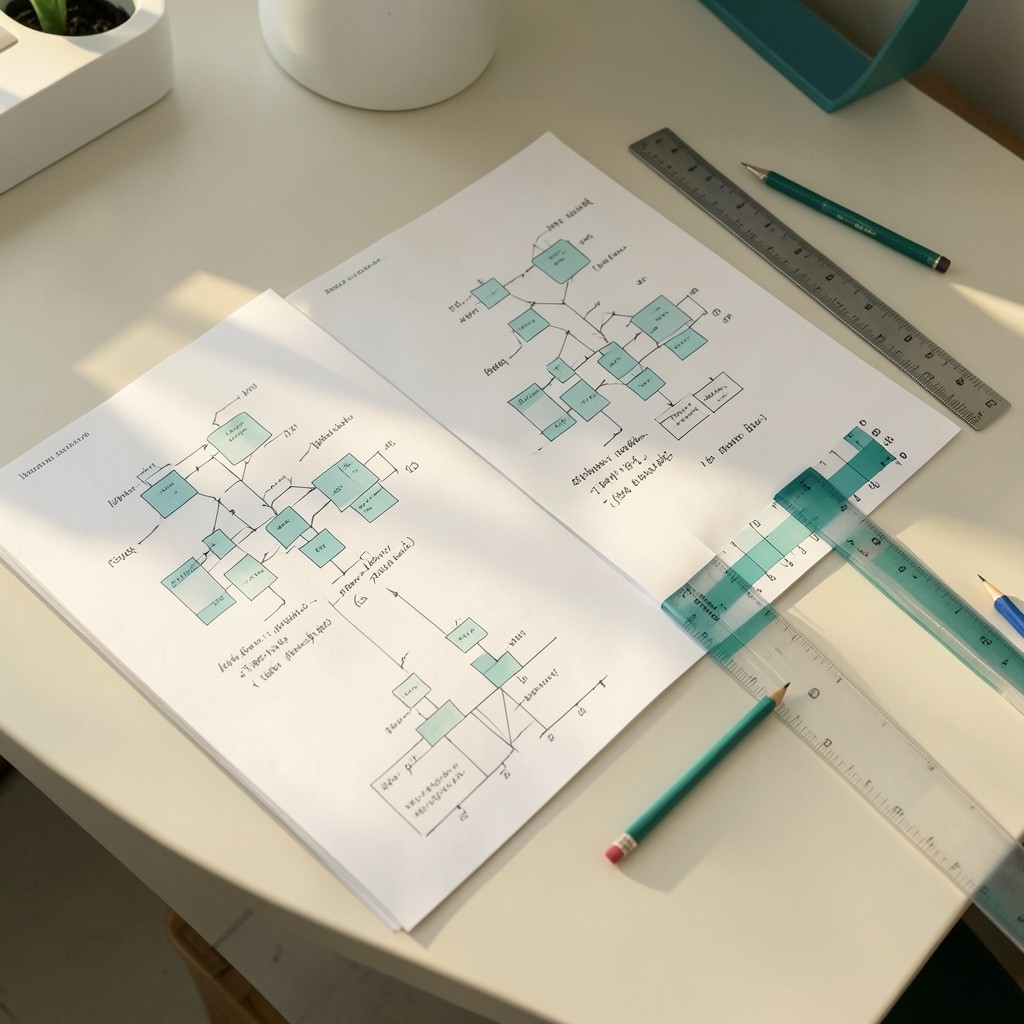
Every briefing follows the same backbone. Steps may compress for urgent scopes, but we never skip validation.
-
Seed identification
We begin with known large holders, exchange hot wallets, and contract deployers relevant to your asset scope. Seeds are ranked by historical transfer volume and recency.
-
Linkage expansion
Shared funding sources, co-spend patterns, and timing correlation expand the seed set. We assign confidence tiers — strong, probable, speculative — and discard weak links.
-
Cluster labelling
Groups receive stable internal IDs. We document why wallets belong together so you can track the same cluster across future reports.
-
Transfer corridor mapping
For each cluster we chart preferred routes: direct transfers, bridge paths, and DEX interactions. Corridor changes often precede positioning shifts.
-
Liquidity attribution
Pool deposits and withdrawals are tied back to clusters where on-chain evidence allows. Thin pools linked to active distributors get flagged.
-
Analyst synthesis
Numbers become narrative: what changed, what stayed dormant, and what we would watch in the next 48–72 hours. Uncertainty is stated explicitly.
Ready to commission a briefing? See flagship scope or send an enquiry.